- Chopinplein 199, 4102 CT, Culemborg
- stoffer.loman@nutriclaim.com
- +31 6 4075 3930


Cultured meat – what does regulatory compliance look like when a fit-for-purpose regulatory and technical guidance framework is not yet in place?
The EU Novel Food Regulation (Reg. (EU) 2015/2283) provides the regulatory framework for the marketing authorization process of Novel Foods. The European Food Safety Authority (EFSA), a scientific body of the European Commission (EC), is delegated to perform the safety assessment of Novel Foods. To assist novel food manufacturers in this process, EFSA has issued a general Technical Guidance (TG) document specifying the technical requirements needed to facilitate the safety assessment of the novel food by EFSA. In addition to the general TG, several subject-matter guidance documents have been issues, e.g. a TG for the determination of small particles and nanomaterials in food. However, such a subject-matter TG-document for cultured meat has not yet materialized.
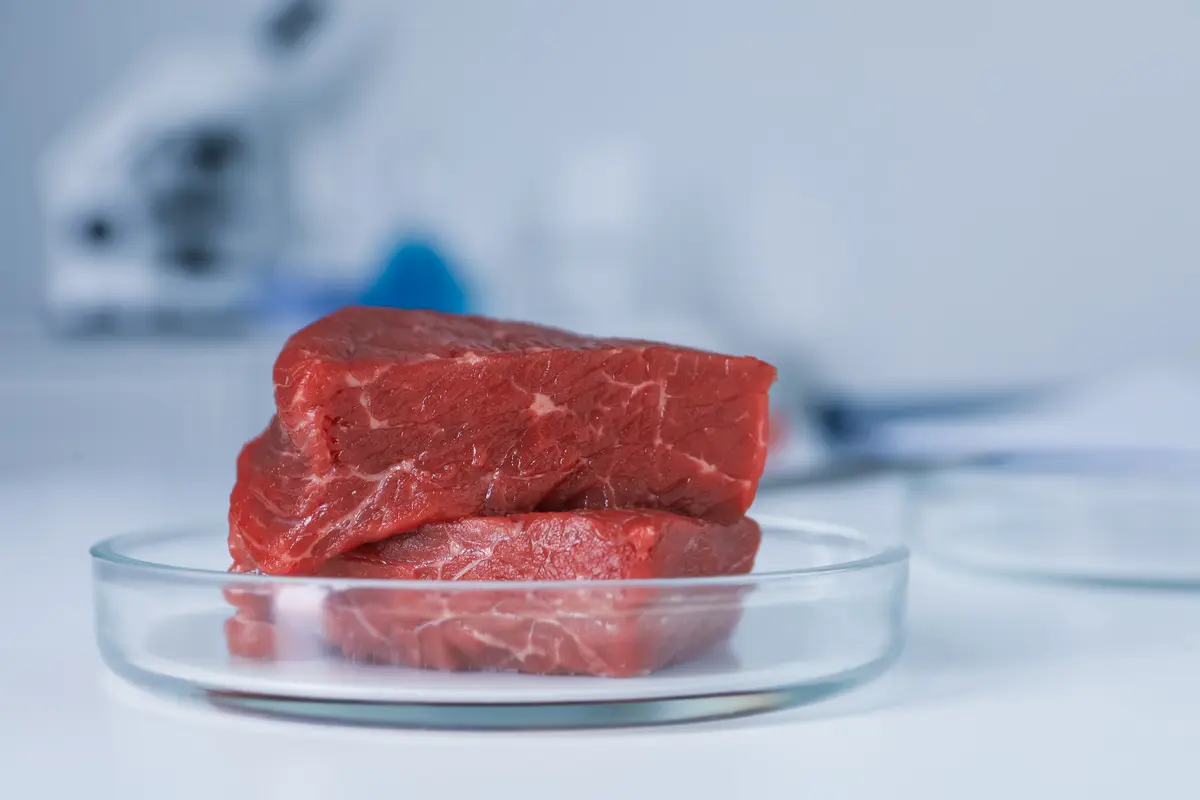
When it comes to new technologies applied in food manufacturing of cultured meat (CM) and other cell-based novel foods, the current regulatory and technical guidance framework has to enter unchartered territory and may therefore not yet be fully fit-for-purpose to address and guide food manufacturers on the technical requirements of a valid application for marketing authorization of their CM novel food.
Apart from the need of harmonization of descriptive, legally-binding wording of CM novel foods, which has to be realized at the level of the EC, newly introduced technical requirements are needed to provide CM food manufacturers with guidance on characterization, hazard-analysis and risk-assessment of the novel technologies, materials and methods and, ultimately, of the CM Novel Food itself.
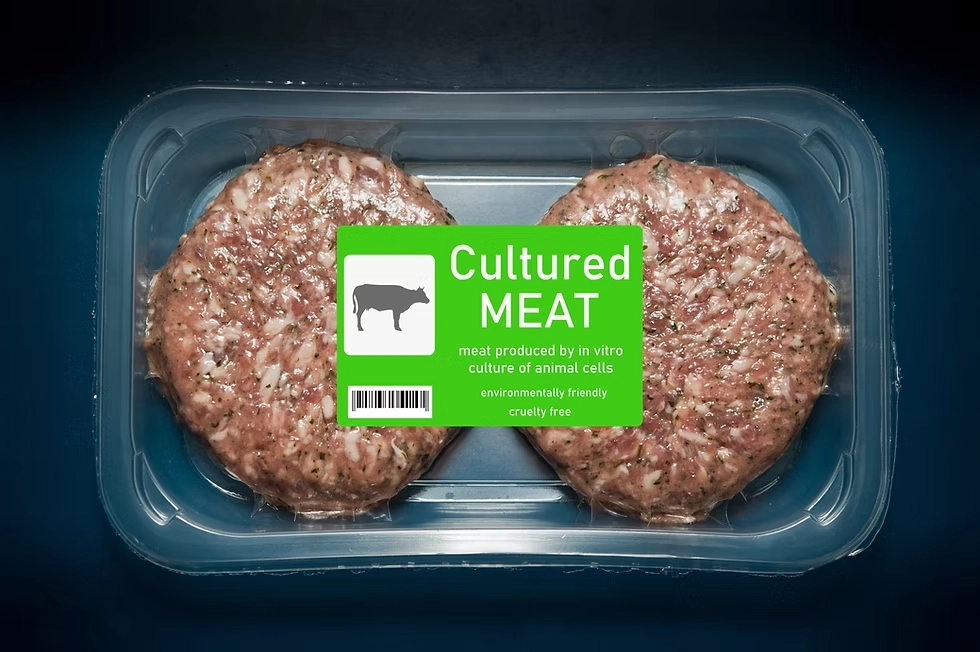
EFSA’s adagium is “Applications are considered and evaluated on a case-by-case basis”. Technical Guidance (TG) documents are generally applicable to Novel Foods; not to a specific, individual Novel Food.
Every Novel Food, due to its particular characteristics and/or production process, brings its own challenges when it comes to risk assessment which are not anticipated by the TG. CM Novel Foods are not an exception to this rule. On the contrary, CM Novel Foods likely bring completely new safety concerns and concepts to the risk assessment procedure which, first, have to be established and, second, when established, have to be assessed, likely based on new safety parameters.
A CM food manufacturer is the one and only party with in depth knowledge of its production process and CM product characteristics and is therefore well-equipped to identify relevant safety parameters on the basis of which safety of the CM Novel Food can be claimed. Proactive consultations with EFSA and possibly the EC, based on proposals instead of questions, are necessary to streamline the preparation of the dossier, the submission and the safety evaluation process of the CM Novel Food.